Inspiration
Finding Inspiration in Urban Landscapes
May 22, 2023 · 8 min read
Urban landscapes are one of my most consistent sources of inspiration because they are full of visual tension. Cities hold order and chaos in the same frame: rigid architecture, broken reflections, movement, noise, and moments of stillness that disappear quickly. That contrast gives me a rich starting point for painting.
When I walk through the city, I am not searching for postcard views. I am looking for rhythm. Repeating windows, road markings, scaffolding lines, utility wires, and shadows across concrete all create patterns that can be translated into composition. These structures help me build paintings with clarity and momentum.
Light in urban space changes fast, and that instability is important to my process. Morning light flattens some surfaces and sharpens others. Evening light warms stone, deepens metal, and turns glass into layered color. I take quick references, but I also rely on memory because memory simplifies what matters and removes what is distracting.
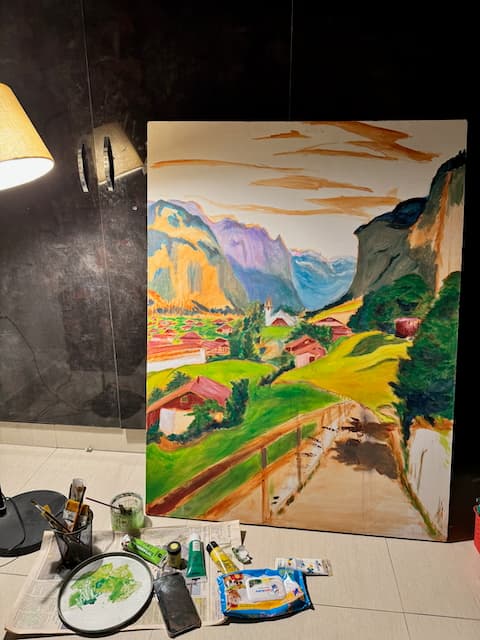
Back in the studio, I begin by distilling those references into visual themes rather than copying specific locations. I might keep a directional line from a street corner, a value contrast from a tunnel entrance, or a color relationship from reflected signage. The goal is interpretation, not replication.
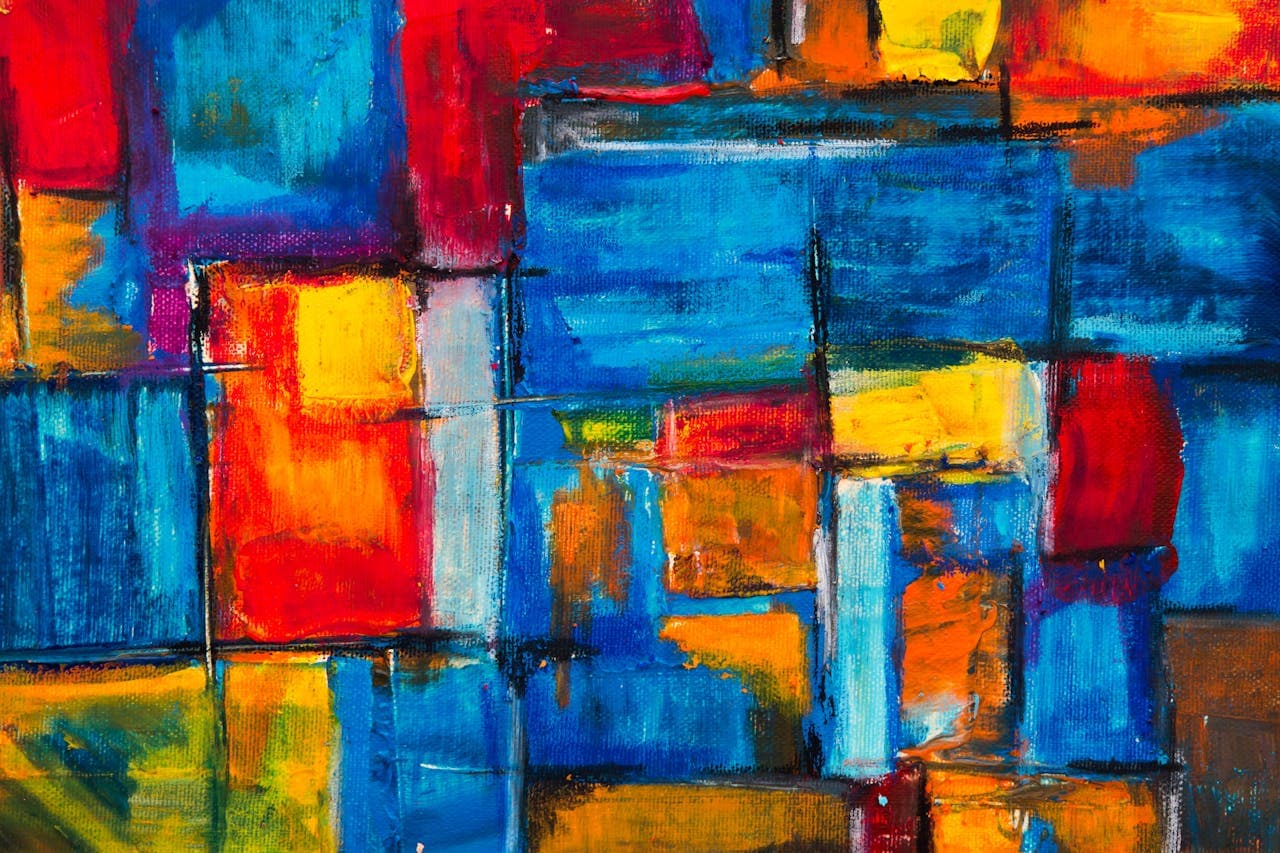
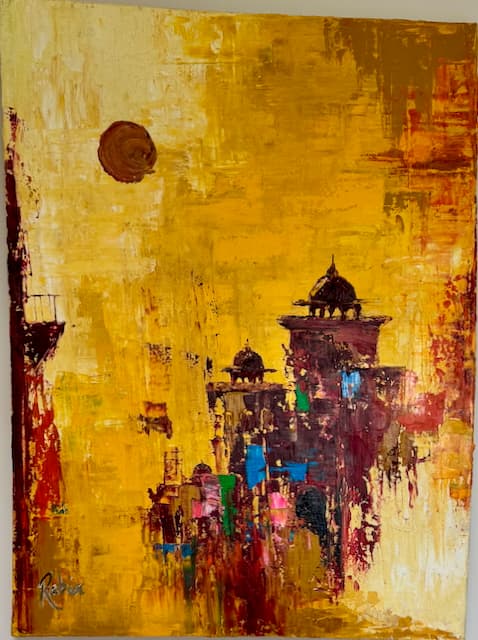
This is where abstraction becomes useful. Abstract painting allows me to preserve the emotional atmosphere of the city without becoming literal. I can exaggerate scale, compress distance, and shift perspective until the work carries the same energy I felt on site. The painting becomes a response, not a document.
Color choices are guided by the mood of the environment. Cool grays and desaturated blues can suggest steel, rain, and distance, while rust, amber, and muted reds can evoke brick, traffic, and heat. I use accent colors sparingly so focal areas feel intentional rather than decorative.
Texture also helps translate urban experience. Layering, scraping, and edge disruption can echo weathered walls, posters, rusted surfaces, and repeated repairs that cities accumulate over time. These marks create a lived-in quality that feels true to the subject even in a contemporary, abstract format.
For artists seeking inspiration, urban landscapes offer endless material because they are always changing. A city is never visually finished, and that makes it an ideal teacher for composition, contrast, and adaptation. In my practice, it continues to be a powerful way to connect everyday observation with meaningful studio work.