Studio Notes
Embracing Vulnerability in the Studio
July 5, 2023 · 8 min read
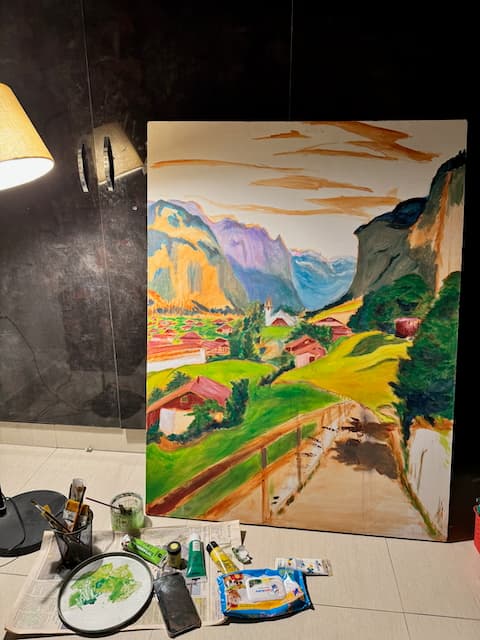
The studio is often imagined as a place of certainty, but my most important paintings begin in doubt. The first layers are usually awkward, uneven, and incomplete. Years ago, that stage made me panic. I would rush to resolve the image too quickly, and the work would lose depth before it had time to become itself.
I now understand vulnerability as part of professional studio practice, not the opposite of it. In contemporary art, emotional risk is not a flaw to hide. It is often the source of originality. When I allow uncertainty to stay on the surface long enough, the painting starts to reveal relationships I could not have planned in advance.
This change required a different mindset around process. Instead of aiming for immediate polish, I focus on responsiveness. I watch how one decision affects the next: how a dark passage changes the temperature of nearby color, how a scraped edge opens space, how an unfinished section creates tension in the composition. Those moments are where the work becomes personal.
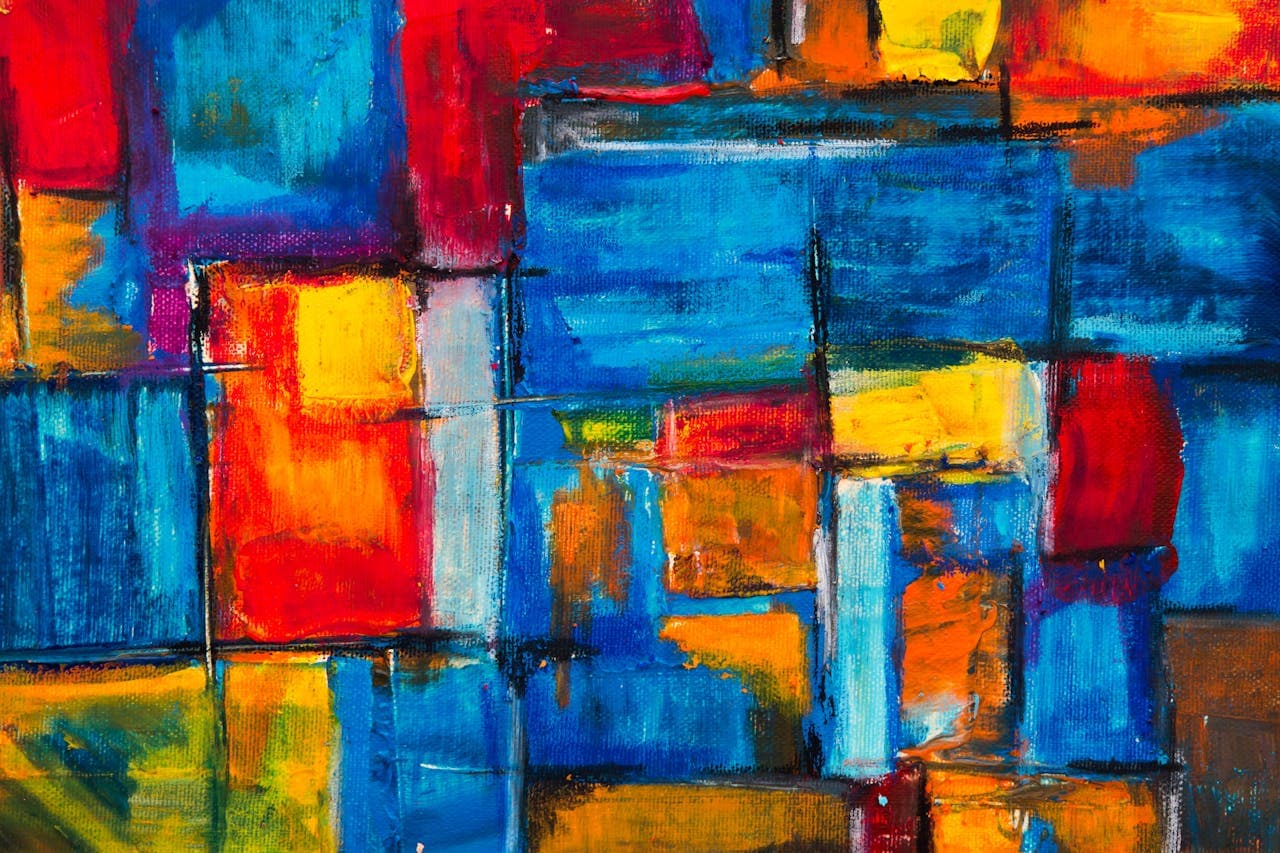
Color plays a central role in this vulnerable phase. I usually begin with one emotional anchor tone and let supporting hues develop through layering. If I control the palette too tightly in the beginning, the painting feels constrained. If I let it drift without structure, it becomes incoherent. The challenge is to hold both freedom and discipline in the same frame.
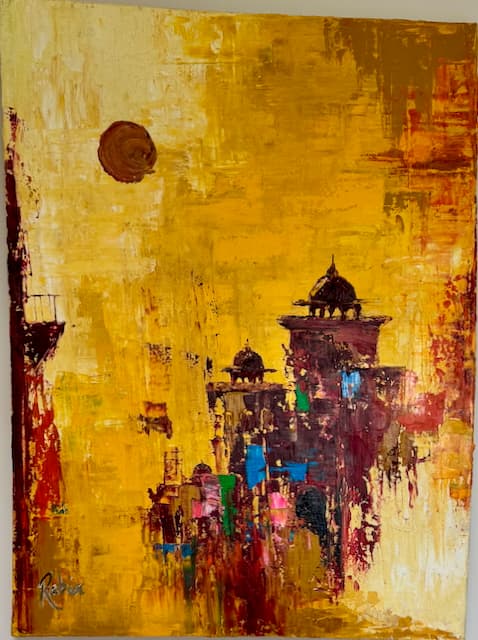
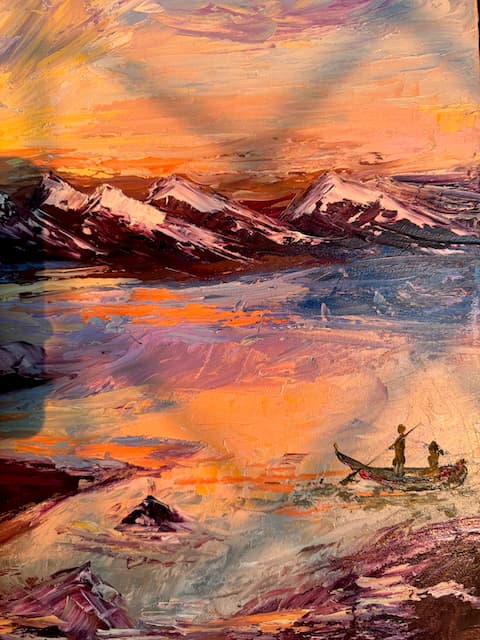
Texture carries emotion in ways language cannot. A broken brushstroke, a thin glaze over a rough underlayer, or a deliberately exposed correction can communicate hesitation, memory, and movement. I do not remove every trace of revision anymore. I keep selected marks visible because they tell the truth about how the piece was built.
Vulnerability also changed how I evaluate progress. I used to ask, Is this finished? Now I ask, Is this honest? A painting can look complete and still feel guarded. When that happens, I return to it and disrupt areas that are technically correct but emotionally closed. That revision stage can be uncomfortable, but it often produces the strongest work.
Over time, this approach has made my painting process more intentional. I still rely on instinct, but I support it with structure: pauses, distance, and critical review under different lighting conditions. That rhythm helps me avoid overworking while preserving the living quality of the surface.
For artists building their own voice, vulnerability is not about exposing everything at once. It is about making room for uncertainty, staying present through revision, and allowing the artwork to evolve beyond your first idea. In my experience, that is where a painting moves from decorative to meaningful, and where authentic artistic growth begins.