Artistic Process
The Evolution of My Artistic Process
June 15, 2023 · 9 min read
When I began painting seriously, my process was driven almost entirely by instinct. I would stand in front of a blank surface, respond to the first mark, and follow momentum wherever it led. Some paintings had a raw energy I still value, but many of them lacked the structural depth needed to hold attention over time.
The turning point came when I stopped asking whether a work felt expressive in the moment and started asking whether it could sustain meaning after the first impression. That single shift changed everything about my studio practice. Instead of treating each canvas as a sprint, I began treating it as a conversation that unfolds in stages.
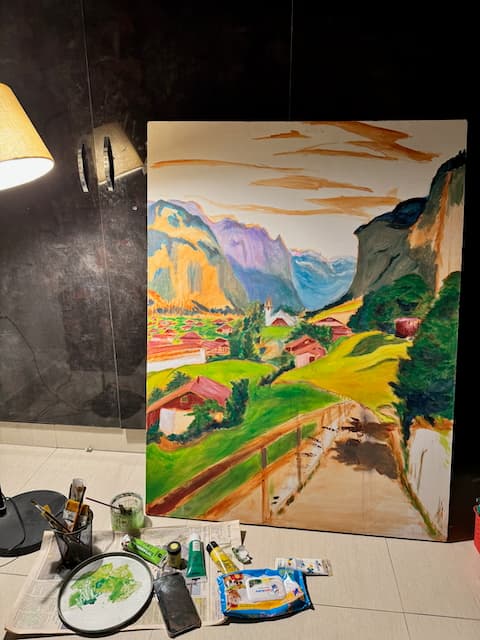
Today, every piece starts with research. I collect visual references, handwritten notes, and quick studies focused on mood, rhythm, and spatial tension. Even in abstract painting, I want to understand the emotional architecture before I commit to the final composition. This planning phase gives the work a clear intention without making it rigid.
From there, I move into underpainting and block-in. I map large value relationships first, then build shape hierarchy so the painting has direction from a distance. In my earlier years, I skipped this foundation and moved too quickly into surface detail. Now I know that a strong structure creates freedom later, especially when I want to push texture or disrupt edges.
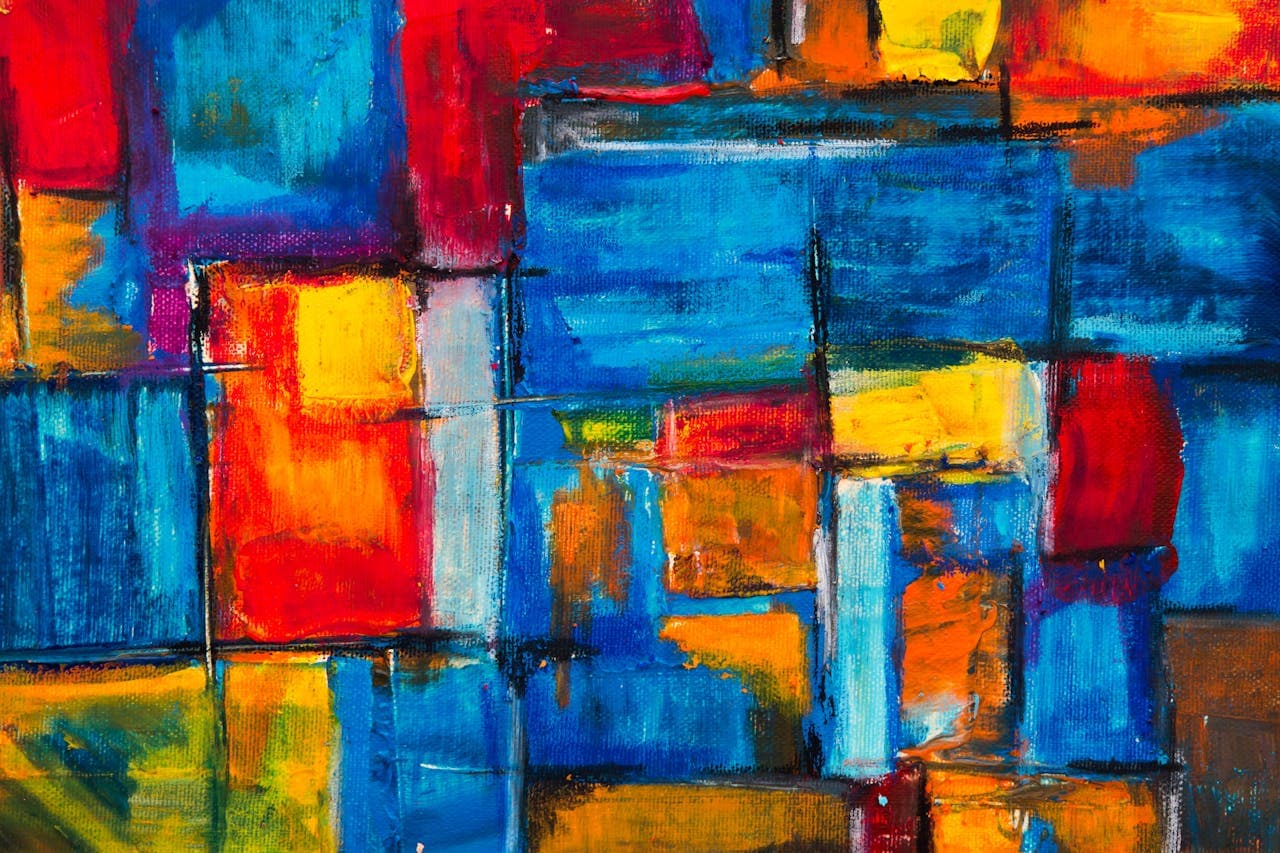
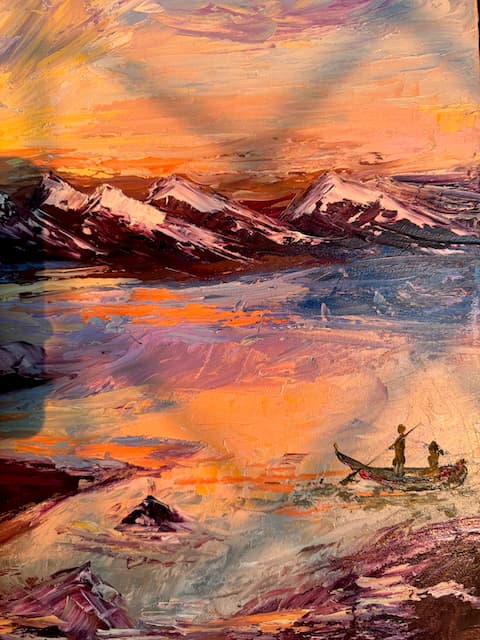
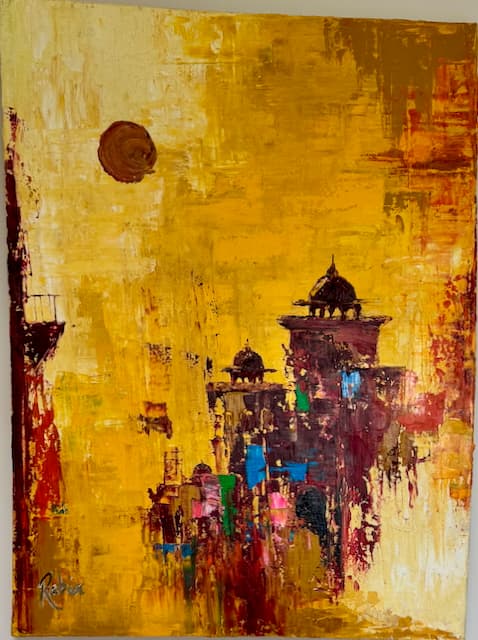
Color has also become more deliberate in my process. I work with restrained palettes and then introduce accent tones where I want the eye to pause. This approach borrows from color theory but stays rooted in feeling. In contemporary art, color is not just decorative; it is narrative. It tells the viewer how to move through the piece and where to linger.
Texture is another major evolution in my work. I use layered applications, dry brush passages, scraping, and selective glazing to create depth that changes under different light conditions. These surfaces are not effects for their own sake. They reflect time, revision, and the visible history of decision-making, which is often where the most human quality of a painting lives.
Revision is now a formal stage rather than an emergency fix. I routinely step away, revisit, and repaint sections that feel too resolved or too literal. That distance helps me protect what is alive in the painting while removing what is simply repetitive. The goal is balance: clarity without predictability, emotion without sentimentality, and complexity without noise.
As my process matured, I also became more attentive to longevity. Material choices, drying times, and final finishing methods matter because they affect how a painting ages in a home, gallery, or collection. Professional studio discipline is not separate from creativity; it is what allows creative risk to survive beyond the studio wall.
Looking back, the evolution of my artistic process was not a move away from intuition. It was a move toward integrating intuition with craft. I still rely on instinct, but now it operates inside a framework built on composition, color, texture, and intentional revision. That structure has made my work more coherent, more personal, and more honest.
For artists refining their own path, my advice is simple: protect experimentation, but build a repeatable process around it. A consistent studio rhythm does not limit originality. It gives originality a place to deepen. In my experience, that is where strong contemporary painting begins.