Practice
Building an Art Practice with Discipline
February 28, 2023 · 9 min read
People often talk about artistic success as if it depends on inspiration alone, but long-term growth in art usually comes from discipline. In my experience, discipline is not restrictive. It is the structure that protects creative momentum when energy, confidence, or clarity fluctuate.
My studio week is organized around repeatable blocks for painting, research, admin, and review. This rhythm reduces decision fatigue and keeps production steady. When I know exactly when I will paint, experiment, and evaluate, I spend less time negotiating with myself and more time doing meaningful work.
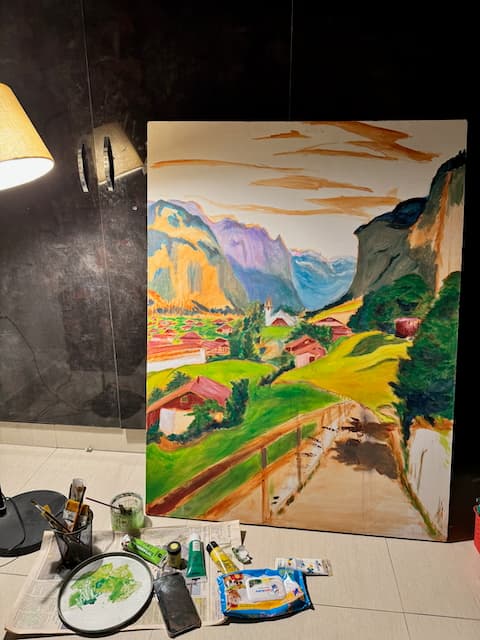
Planning also happens at the project level. I track works in progress, deadlines, material needs, and finishing timelines so each stage receives proper attention. This is especially important for layered paintings where drying time and sequencing directly affect surface quality.
Documentation is another core part of my process. I photograph key stages, note palette decisions, and record technical tests. Over time, these notes become a personal reference library that makes future decisions faster and more accurate. It also helps me avoid repeating mistakes.
Critique cycles are built into the schedule, not added only when something goes wrong. I review work at planned intervals and assess composition, value balance, color relationships, and emotional clarity. This regular feedback loop keeps quality high and reduces last-minute corrections.
Discipline extends to practical business habits as well. Clear communication, reliable timelines, and professional presentation matter for galleries and collectors. A strong art practice is both creative and operational. When those two sides support each other, the work becomes more sustainable.
I also protect space for experimentation within the structure. Not every studio session needs to produce a finished piece. Some are dedicated to material play, palette testing, or compositional studies. These sessions keep the practice flexible and prevent routine from becoming repetition.
For emerging artists, discipline can start with very simple commitments: fixed weekly studio hours, a project tracker, and a short review checklist after each session. Consistency compounds. Small systems, used regularly, create major improvement over time.
A disciplined studio practice does not remove uncertainty from art. It gives you a dependable framework for working through uncertainty. That is what turns occasional good work into a professional body of work with depth, continuity, and trust.