Studio Diary
Behind the Painting: Serene Silence
March 18, 2023 · 8 min read
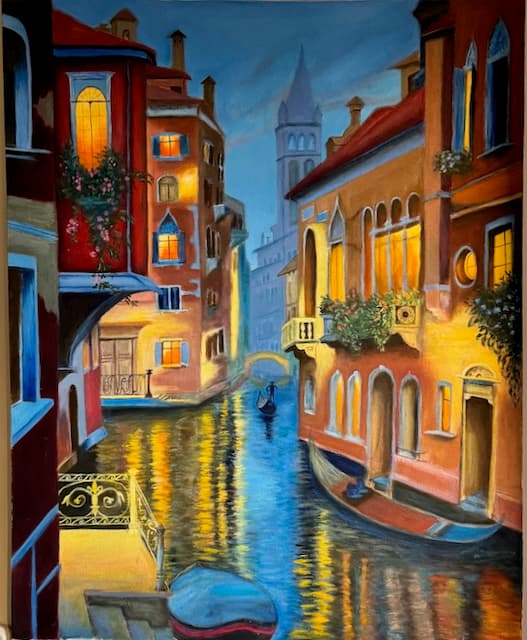
Serene Silence began as a small notebook idea, not a finished concept. I was interested in stillness, but I did not want the painting to feel static. The challenge was to create calm without losing visual movement, and to build an atmosphere that felt quiet but alive.
I started with thumbnail sketches to test proportion, horizon placement, and negative space. These early drawings helped me find a composition with enough breathing room for the surface to carry emotion. At this stage, I focus on structure first, because mood is easier to sustain when the underlying design is stable.
The underpainting phase was intentionally thin. I established broad value zones and directional flow before introducing any complex texture. This prevented the work from becoming crowded too early. In past years, I often rushed this stage and had to correct major structural problems later.
Once the base was stable, I began layering transparent and semi-opaque passages. Glazing allowed light to move through the surface instead of stopping at the top layer. That depth was essential to the feeling I wanted, where the painting shifts subtly as the viewer changes distance and angle.
Midway through, I removed several sections that were technically refined but emotionally overexplained. This is a recurring part of my painting process: if an area is too literal, it can flatten the entire work. Reopening those passages restored tension and gave the final composition more room to breathe.
Color decisions in Serene Silence stayed deliberately restrained. I used close tonal families with selective contrast so the focal rhythm remained gentle. Rather than dramatic jumps, I relied on controlled transitions to create continuity. This was key to preserving the contemplative character of the piece.
The final stage focused on edge hierarchy, tonal calibration, and surface consistency. I reviewed the work under daylight and evening lighting, made small adjustments, and then stopped when additional marks no longer improved clarity or feeling. Restraint was as important as technique in finishing this painting.
After curing, I applied a conservation-grade varnish for long-term stability and color integrity. Looking back, Serene Silence represents the way my studio practice has matured: more patient, more selective, and more committed to building atmosphere through structure, material control, and intentional revision.